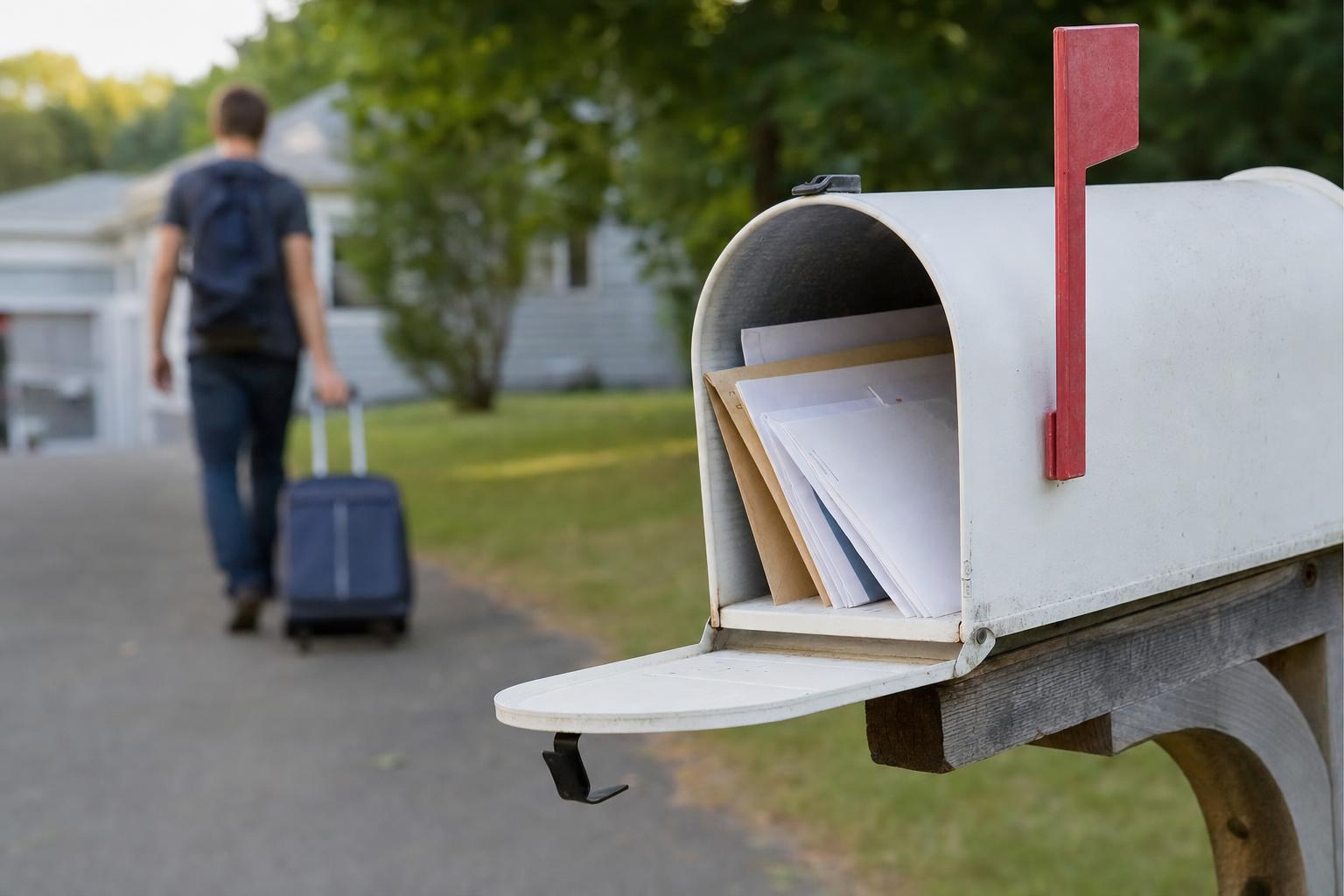
You can pause your postal deliveries while you travel, but the rules matter. Miss one step and your mail piles up, or worse, sensitive items sit in an unsecured box.
## How Long Can USPS Hold Mail: The Basics
When people ask how long can USPS hold mail, they usually mean: what’s the maximum time the Postal Service will stop delivering to my address? The short answer: USPS will hold mail for up to 30 days for a single temporary request. For longer absences, you need a different plan — forwarding, authorized pickup, or asking a neighbor. That 30-day ceiling is firm for the standard online or window-based temporary hold.
Here’s how that plays out in real terms. You set a start date and an end date, and USPS will stop delivering your letters and packages to your home for that entire span. At the end of the hold, the post office will either deliver the accumulated mail in a bundle to you, or you can pick it up at the counter. If someone leaves a package too big for holding, the carrier may leave a notice for pickup immediately.
### Eligibility And Common Situations
Not everyone needs a hold, but many people do. Vacationers, short-term business travelers, and people between residences all use the service. To request a hold you must be the primary resident, or have permission from the primary resident if you’re acting on their behalf. The USPS won’t hold mail for a vacant property that’s been abandoned for a long time; they reserve some discretion to prevent misuse.
A typical scenario: you’re gone for two weeks and want to avoid a visible pile-up of mail that signals an empty home. Another: a college student returns home for the summer and temporarily stops deliveries to their dorm. For each of these, the hold is simple and free. If you need something more durable — say, a multi-month solution — then you should look at mail forwarding or a PO Box.
### How To Request A Hold
You can request a hold several ways: online at USPS.com, by visiting your local post office, or by filling out PS Form 8076. The online form is straightforward: choose start and end dates, confirm your address and identity, and you’re done. If you do it at the counter, bring ID.
One practical tip: request the hold a few days before you leave. The USPS recommends starting the hold at least one day before your absence, and it’s best to let them have extra lead time if possible. If you need to change or cancel the hold, you can do so online or at the post office, but don’t assume same-day changes will always be honored.
#### What Happens To Packages
Holds primarily affect letter and small-package delivery to your mailbox. For many carriers, including USPS, larger packages may be held at the post office and require you to pick them up. If you receive a delivery that won’t fit in your mailbox while your hold is active, you’ll usually get a notice. Some parcel services coordinate with USPS; others do not. If you’re expecting valuable packages, consider arranging pickup or having a trusted person collect them.
## Hold Mail Duration Options And Limits
People mix up the terms hold mail and mail forwarding. They mean different things. If you’re wondering about hold mail duration, remember the default maximum is 30 days for a temporary hold. That’s the standard window.
If you need longer than 30 days, USPS recommends either forwarding mail to a temporary address or switching to a post office box. Forwarding can be set up for up to a year (or temporarily for specified periods), but there’s an enrollment process and sometimes a fee for premium options. A PO Box solves the problem for as long as you keep the box rented.
When you request a hold, you’ll choose the dates. That selection controls the hold mail duration. Keep in mind that holds can’t be fragmented into multiple, back-to-back periods covering more than 30 days total unless you cancel the first and start a new request, and even then local rules and operational constraints might limit what the clerk allows.
### Exceptions And Special Cases
There are exceptions where the usual 30-day limit doesn’t apply the same way. For example, if you have a legitimate reason and coordinate directly with your local postmaster, you might be able to arrange special handling. This is not a guaranteed pathway; it depends on local capacity and discretion.
Snowbirds and people who travel seasonally often ask whether they can simply request repeated holds. Technically you can set separate holds for different trips, but scheduling many holds back to back can create practical issues. If you expect to be away for several months each year, a PO Box or forwarding might be less hassle.
#### Holds And Security Considerations
Leaving mail unattended raises risks. Identity thieves look for patterns — a stack of bank statements or prepaid cards is an invitation. Using the hold service reduces this risk. If you can’t use a hold, have a friend collect mail daily or install a secure mailbox. A hold reduces the visibility of an empty home, which is also a security plus.
## What Happens After The Hold Ends
At the end of a hold, USPS typically delivers the accumulated mail in one delivery, or gives you a notice to pick it up. If the volume is large, it may take a couple of days to clear the backlog. That means you might see a heavy delivery on the first few days after your return. Plan for that.
If you want to recieve only certain items and have others held or forwarded, that requires detailed coordination with the post office and sometimes isn’t possible. For example, if a bank sends a certified letter, it might be held separately and require pickup. For routine mail it’s all bundled.
### Choosing Between Hold And Forwarding
If your absence is under 30 days, hold mail is usually the simplest choice. It’s free. For longer stays, forwarding is more practical. Forwarding sends mail to another address for up to 12 months for First-Class Mail and periodicals; some categories of mail aren’t forwarded. Forwarding is not free in every case — there can be fees for identity proofing or expedited services.
Think about timing. If you plan to travel in June and again in July, two back-to-back holds may look fine, but forwarding to a trusted address eliminates the risk of a hiccup between holds. I once had a neighbor return home to find a week’s worth of delivery had been held past the requested end date because the local office missed the release notice. It’s not common, but it happens.
## Practical Tips For Travelers
Plan ahead. Open the hold request at least 48 hours before departure. Check your mail preferences online to see what’s scheduled. If you use online bill pay and expect only a few e-bills, you might not need a hold at all.
If you have a package expected during your hold, call the local post office and alert them. You can also request that the carrier leave a notice so an authorized person can pick it up. Leave written permission and the ID details of your designee with the post office if someone else will pick up your mail.
If you haven’t used the service before, try a short test hold to learn the process. Put it on for five days while you’re in town and check how the pickup and release work. That will help you avoid surprises during a longer trip.
### Digital Alternatives And Notifications
Some postal customers pair holds with digital notifications. Sign up for Informed Delivery at USPS.com. It gives photo previews of incoming mail and tracking for packages. It won’t replace a hold, but it does help you monitor what arrives while you’re away. If you see something important coming, you can make arrangements before you leave.
If you’re leaving for only a weekend, canceling delivery for two or three days might feel excessive. But I recommend using the hold for any trip longer than a week. Two weeks is the sweet spot where it’s clearly useful.
#### What If Something Goes Wrong
If mail isn’t released on the scheduled end date, call the local post office first. They can usually sort it quickly. If that doesn’t work, escalate to customer service or file a complaint. Keep records of your hold request — the confirmation number from the website is useful. I once had to present that number when a clerk couldn’t find the request in the system.
If you notice missing mail after a hold, file a missing mail request online. Provide tracking numbers and as much detail as possible. The inspection will take time, but earlier reporting improves the chance of recovery.
## Cost, Timing, And Other Small Details
Most temporary holds are free. Filling out PS Form 8076 at the post office carries no charge either. Forwarding often has a small fee for identity verification, and renting a PO Box has a monthly or annual cost that varies by location.
Timing matters. The post office processes holds in sequence, and high-volume periods — holidays, tax season — slow things down. If you request a hold over a major holiday, tell them your travel dates with extra buffer. Postal staff appreciate the heads-up and can plan routes accordingly.
### When A Hold Won’t Work
Certain mail types won’t be affected by a standard hold. For example, some courier-delivered packages and mail from private shippers aren’t controlled by USPS holds. Subscriptions might still be delivered if they’re processed differently. If you get time-sensitive legal documents or critical business mail, don’t rely solely on a hold. Forward those items or have someone you trust collect them.
Local postmasters can sometimes create tailored solutions for businesses or high-volume customers. If you operate a small business and will be away, talk to your post office — they handle exceptions more flexibly when they know the details.
## Common Mistakes People Make
One frequent mistake is assuming the hold automatically extends if you call after departure. It doesn’t. You must set the correct end date up front or contact the post office during the hold. Another is assuming mail that requires signatures will be left at the door. It won’t. Those items will be held for pickup or returned to sender.
People also forget about periodicals and magazines. Some publishers send issues weeks ahead. If you expect a large magazine drop while you’re gone, check with the publisher and the post office. You may need a different approach.
I’ve seen folks depend on a neighbor and then forget to give them written permission for pickup. That leads to wasted trips and frustration. Give your neighbor a signed note and a copy of your ID details if they’ll be picking up held mail.
## When To Use A PO Box Instead
If you travel frequently or for long stretches, a PO Box can be the least-fussy solution. You control access, get consistent delivery, and avoid the 30-day limit. The downside is cost and an extra address to manage. If your mail includes packages from big carriers that don’t deliver to PO Boxes, you’ll need to arrange alternate pickup.
A PO Box also helps businesses that need a reliable address for returns and invoices. The hold mail duration question goes away entirely because you aren’t asking anyone to pause deliveries — the delivery address remains stable.
### Final Practical Notes
Keep your contact details on file with USPS and update your forwarding when you move. If you plan multiple trips during the year, consider a hybrid approach: hold for short trips and forward or use a PO Box for extended travel. Check the local post office’s procedures; they vary slightly by location.
If you’re ever in doubt about how long can USPS hold mail in your specific situation, talk directly to your local postmaster. They’ll tell you what’s workable in your area and help you avoid common pitfalls. Small steps now save headaches later. Teh system is simple once you know the rules and have a plan. Remember to check dates twice before you submit your request so you don’t end up with unexpected piles when you return to your adress.